
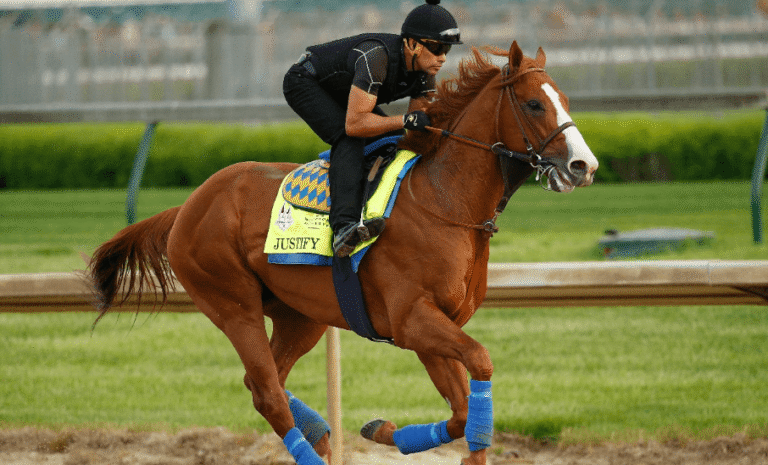
The performance of racehorses is a multifaceted subject that encompasses various scientific principles. Genetics plays a pivotal role, determining fundamental traits that influence speed and endurance. Biomechanics further examines how movement efficiency affects racing outcomes. Nutrition and tailored training methods are also critical components, shaping a horse’s readiness and stamina. Understanding these interconnected factors is essential for optimizing performance, yet the intricacies of their relationships remain to be fully explored.
The Role of Genetics in Equine Performance
While many factors contribute to a horse’s racing performance, genetics plays a pivotal role in shaping an individual’s potential.
Genetic inheritance determines traits such as speed and stamina, significantly influencing racing outcomes.
Selective breeding practices further enhance these desirable characteristics, allowing breeders to cultivate horses with optimal racing abilities.
Thus, understanding genetics is essential for comprehending equine performance in competitive settings.
Biomechanics: Understanding Horse Movement
Genetics lays the foundation for a horse’s potential, but biomechanics elucidates how these innate traits are expressed through movement.
By analyzing stride mechanics, researchers can determine how a horse’s limbs coordinate during locomotion.
Gait analysis reveals critical insights into efficiency and power, allowing trainers to optimize performance.
Understanding these factors is essential for harnessing a horse’s full athletic capabilities on the racetrack.
See also: The Science Behind Horse Racing: How Speed and Agility Impact Performance
Nutrition and Its Impact on Racing Success
Nutrition plays a pivotal role in a horse’s racing performance, as the right diet can enhance energy levels, endurance, and overall health.
Optimal feed composition, tailored to individual needs, ensures vital nutrients are available.
Additionally, effective hydration strategies prevent dehydration, which can impair performance.
Together, these elements create a foundation for success, allowing horses to reach their full potential on the racetrack.
Training Methods and Their Influence on Performance
Effective training methods significantly influence a horse’s racing performance, as they determine not only the horse’s physical capabilities but also its mental preparedness.
Interval training, a key conditioning technique, enhances cardiovascular fitness and speed by alternating between high-intensity bursts and recovery periods.
Such structured training fosters endurance and resilience, ultimately equipping horses to perform optimally under the pressures of competitive racing environments.
Conclusion
In conclusion, the multifaceted science behind horse racing performance reveals a tapestry of interwoven elements that drive equine excellence. Genetics establishes the foundation, while biomechanics enhances stride efficiency akin to a finely tuned sports car. Nutrition fuels the athlete, and training methods sharpen both physical prowess and mental acuity. Together, these components create a comprehensive framework, allowing trainers and owners to unlock a horse’s fullest potential, ensuring that they remain formidable competitors on the racetrack.