

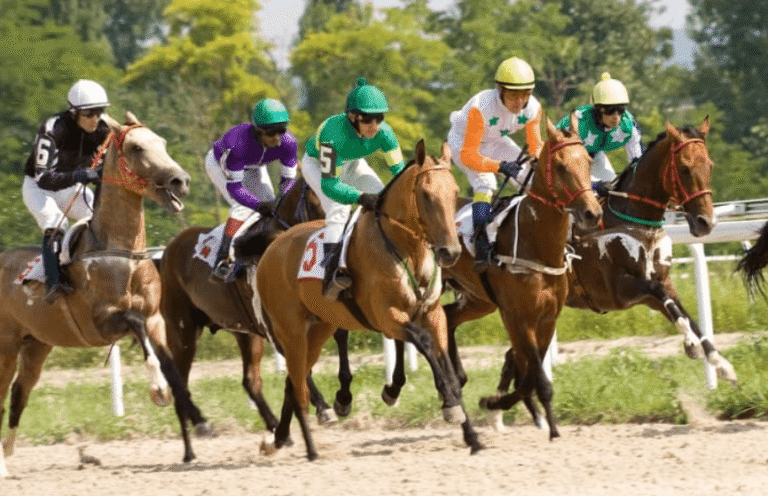
The science behind horse racing speed is a multifaceted domain that integrates genetics, biomechanics, training, and nutrition. Each factor plays a pivotal role in determining a horse’s performance on the track. Genetic traits can dictate potential, while biomechanics influence efficiency of movement. Meanwhile, effective training and proper nutrition are essential for enhancing speed and recovery. Understanding how these elements interact raises questions about optimizing performance in competitive environments. What specific strategies can be employed to achieve this?
The Role of Genetics in Racing Performance
While various factors contribute to a horse’s racing performance, genetics plays a pivotal role in determining speed and endurance.
Bloodlines influence the presence of specific genetic traits that enhance athletic capabilities. Selection for favorable traits, such as muscle composition and respiratory efficiency, has led to superior racing breeds.
Understanding these genetic factors is essential for breeders aiming to optimize performance and achieve success on the racetrack.
Biomechanics: Understanding Equine Movement
Understanding equine movement requires a detailed analysis of biomechanics, as the efficiency of a horse’s gait significantly impacts its speed and overall racing performance.
Stride mechanics, including limb extension and retraction, directly influence galloping efficiency. Optimal coordination of muscle groups during each stride facilitates faster acceleration and endurance, ultimately determining a horse’s potential on the racetrack, where every millisecond counts.
See also: The Science Behind Horse Racing Performance
The Importance of Training and Conditioning
Effective training and conditioning are pivotal in maximizing a racehorse’s speed and performance capabilities.
Implementing sprint intervals enhances explosive power, while endurance training builds stamina for sustained speed over longer distances. A balanced regimen that incorporates both elements allows for optimal muscle development and cardiovascular fitness, ultimately leading to improved race outcomes.
Thus, training strategies must be meticulously tailored to each horse’s individual needs.
Nutrition and Its Impact on Speed
Nutrition plays a crucial role in optimizing a racehorse’s speed and overall performance. Effective feed formulation is essential, as it must provide appropriate energy sources, including carbohydrates and fats.
These components enhance stamina and explosiveness during races. Additionally, a well-balanced diet supports muscle recovery and overall health, enabling the horse to maintain peak performance levels, thereby influencing its competitive edge on the racetrack.
Conclusion
In conclusion, the intricate interplay of genetics, biomechanics, training, and nutrition forms the foundation of formidable racing speed. Genetic gifts grant potential, while biomechanics bolster balanced movement. Diligent training and conditioning cultivate capability, and precise nutrition propels performance. Together, these pivotal components create a comprehensive framework that fosters not only speed but also sustained success in the competitive realm of horse racing. Understanding this multifaceted synergy is essential for optimizing equine excellence on the racetrack.