

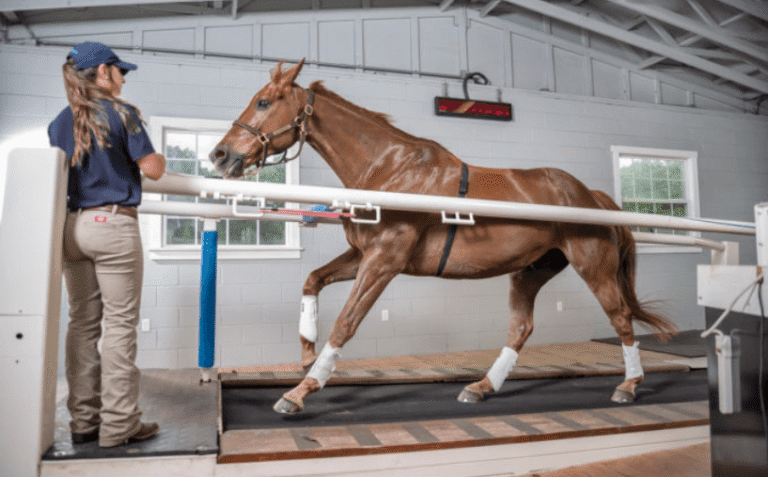
Veterinary science is integral to the horse racing industry, focusing on the health and welfare of racehorses. Pre-race examinations are essential for identifying medical issues that could compromise a horse’s performance and safety. Additionally, ongoing preventative care helps manage the physical demands placed on these athletes. As advancements in equine medicine emerge, they promise to enhance the future of racing. However, the implications of these developments raise important questions about the industry’s commitment to animal welfare.
The Importance of Pre-Race Veterinary Examinations
Pre-race veterinary examinations are crucial in ensuring the health and welfare of racehorses, as they serve to identify any underlying medical issues that could compromise the animal’s performance or lead to injury.
Adhering to stringent pre-race protocols and veterinary regulations safeguards the integrity of the sport.
These examinations not only protect horses but also promote a culture of compassion and responsibility within the racing community.
Preventative Care and Management of Racehorses
While the excitement of race day captures the attention of fans and owners alike, effective preventative care and management of racehorses are essential components that contribute to their overall health and performance.
This includes meticulous attention to equine nutrition and rigorous fitness monitoring, ensuring that each horse maintains optimal condition.
Such proactive measures not only enhance performance but also promote long-term well-being and freedom from injury.
See also: The Role of Trainers in Horse Racing Success
Emergency Response and On-Track Veterinary Support
Effective preventative care sets the foundation for a horse’s health, but the unpredictable nature of race day necessitates immediate veterinary support.
On-track veterinary teams implement emergency protocols to address injuries swiftly, ensuring that horses receive timely trackside care.
This compassionate response minimizes suffering and promotes recovery, reflecting a commitment to equine welfare while prioritizing the safety of both horse and rider in high-stakes environments.
Advancements in Equine Veterinary Medicine and Their Impact
As advancements in equine veterinary medicine continue to evolve, they significantly enhance the health and performance of racehorses.
Genetic research facilitates tailored breeding strategies, improving athletic potential and disease resistance.
Concurrently, innovative rehabilitation techniques promote faster recovery from injuries, ensuring that horses can return to the track in optimal condition.
Together, these developments create a compassionate framework for the well-being of these magnificent athletes.
Conclusion
In conclusion, the integration of veterinary science in horse racing is indispensable for safeguarding equine athletes. While some may argue that the focus on performance overshadows horse welfare, the reality is that advancements in veterinary practices prioritize the health and longevity of racehorses. Through diligent pre-race examinations, preventative care, and innovative medical interventions, veterinarians not only enhance the competitive edge of these majestic animals but also champion their well-being, fostering a culture of compassion and responsibility in the sport.